We Buy Used Chillers in Richmond, Virginia
Plan the removal around the site, not just the chiller
For a Richmond, Virginia chiller sale, the machine’s location and the property’s operating schedule are part of the equipment review. A decommissioning manager may be coordinating mechanical, electrical, controls, facilities, and transport work at the same time. Start by identifying where the chiller sits, how a removal crew would reach it, and which routes must remain available to occupants, staff, deliveries, or other contractors.
At an occupied multistory property or campus, map the path from the equipment room or outdoor pad to the loading area. Note doors, corridors, service elevators, ramps, gates, turning points, and any overhead or floor-clearance concerns that are already known. Share delivery restrictions, permitted work windows, security check-in requirements, and areas that cannot be blocked. These details help establish a workable staging and removal scope before anyone sets a date.
Describe the machine without guessing at a perfect category
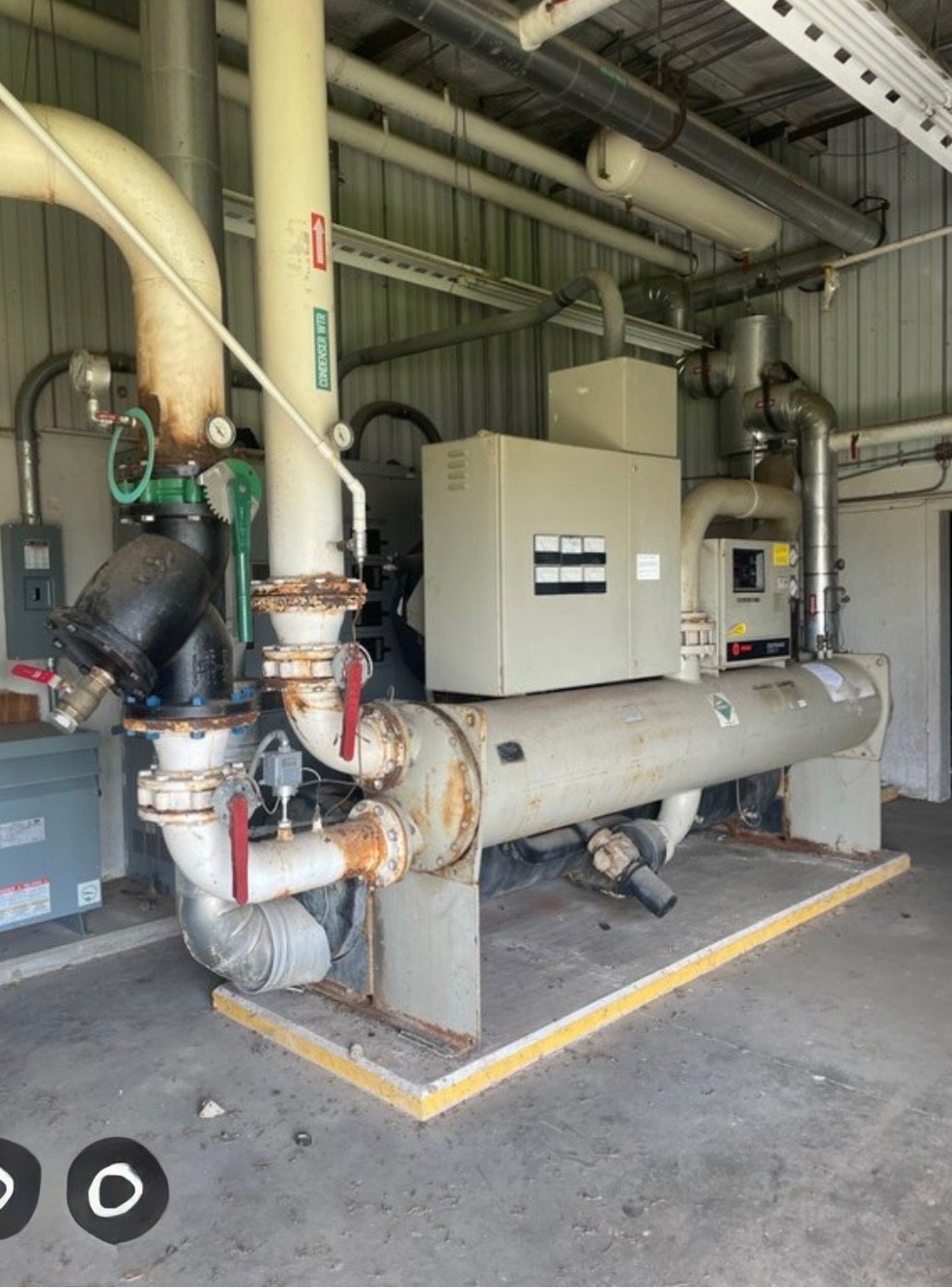
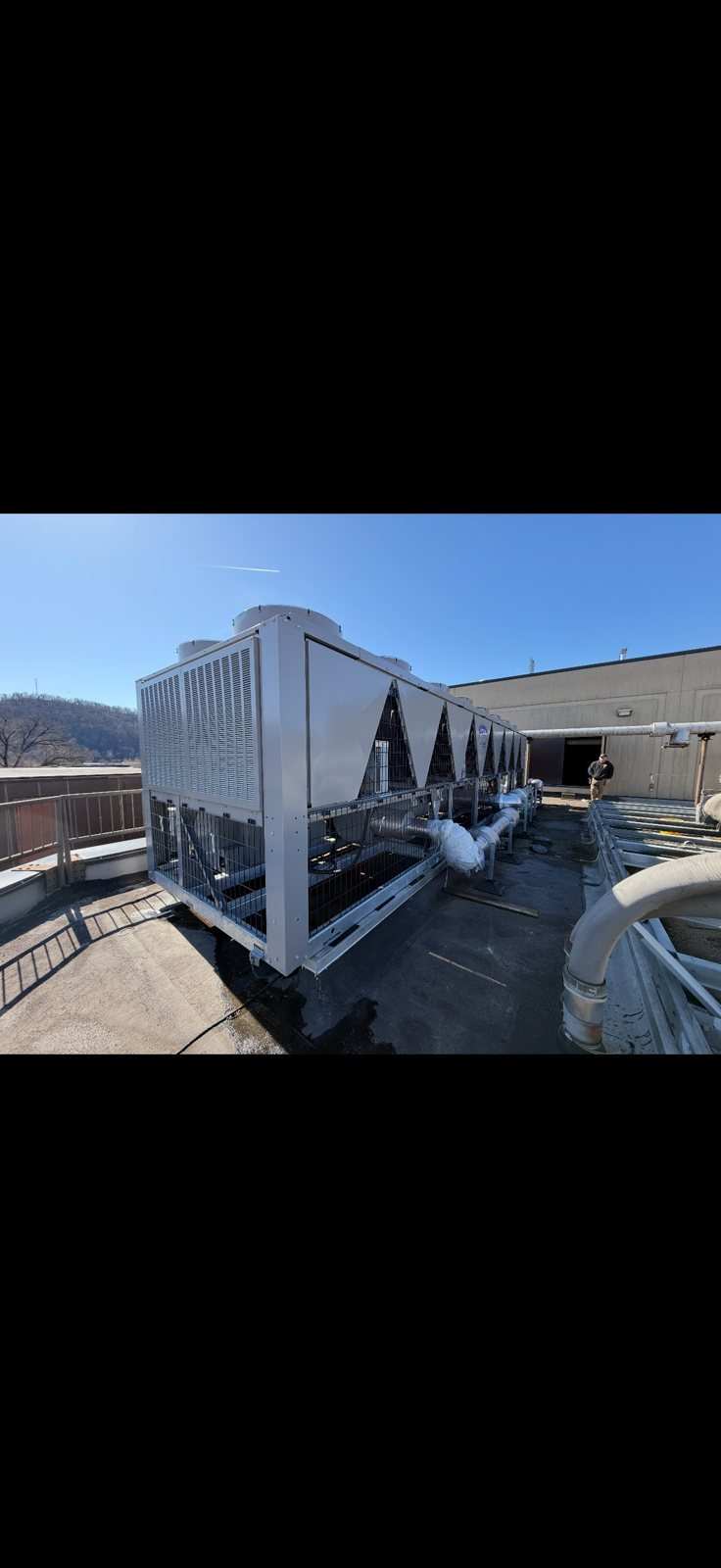
A chiller can be described by its cooling method, compressor type, or physical arrangement. Those labels can overlap: a water-cooled centrifugal unit, an air-cooled screw chiller, a scroll machine, or a modular system may all be reasonable descriptions. If the nameplate or records do not make the classification clear, provide the manufacturer and model information you have and submit the unit for review rather than delaying the inquiry to settle on one term.
We consider used industrial water-cooled and air-cooled chillers, including centrifugal, screw, and scroll equipment. All tonnages can be submitted for consideration, from units below 20 tons to machines from 20 to 2,000 tons and over 2,000 tons. Refrigerant type and equipment condition are also review details, not reasons to assume an inquiry cannot be considered. Any purchase depends on the actual equipment and agreed terms.
Give the buyer information that supports a usable offer
To request an offer, share the chiller’s location in Richmond, Virginia; manufacturer and model; approximate tonnage, if known; cooling configuration; compressor type, if known; refrigerant; and visible or documented condition. Include clear photos of the overall unit, nameplate, connections, and access route when available. If the machine is installed, say so. Records such as service history, equipment schedules, or prior project notes can help clarify what is being offered, but you do not need to produce a perfect technical file before making contact.
Be candid about uncertainty. State whether the unit is reported operational, out of service, incomplete, or of unknown condition, and distinguish firsthand knowledge from old records. Mention missing components, damage, stored materials nearby, or other conditions that could affect handling. The review may lead to follow-up questions; an offer is based on the information reviewed and the scope both sides agree to, rather than an assumption that every submitted chiller will be purchased.
Coordinate staging, lifting, and transport early
Large chillers require more than a pickup location. Identify the proposed staging area, loading point, and likely lifting constraints, along with known access limits and any site rules that affect vehicles or lifting operations. If the unit is indoors, explain the route out of the building and whether sections, doors, or other items may affect passage. If it is outdoors, note the surface and access conditions as known. Share available layout drawings or photographs when they can make the route easier to understand.
We handle and cover freight, cranes, rigging, refrigerant recovery, disconnects, loading, and hauling as part of the agreed removal scope. The seller should not test, start, disconnect, recover refrigerant from, or rig the chiller. Instead, identify who controls site access, who can approve work areas, and which building or contractor contacts need to coordinate. The removal plan and responsibilities should be confirmed before work begins, including how staging will avoid obstructing essential access.
Protect building operations while trades coordinate
Before agreeing to removal details, identify whether other cooling equipment must remain in operation and which areas or processes depend on it. Tell the buyer if the chiller shares piping, electrical infrastructure, controls, or a plant area with equipment that will stay in service. The objective is to define the boundaries of the chiller being sold and the agreed work scope, not to have the seller perform technical isolation work.
A project manager can also flag overlapping work, restricted access periods, required escorts, and the order in which areas become available. If multiple trades are involved, establish who will communicate schedule changes and who can authorize access at the site. These practical points help prevent a removal plan from conflicting with building needs. They also make clear what the buyer’s covered services include and what site coordination remains necessary from the property team.
Confirm payment, scope, and handoff terms
Offers depend on review of the equipment and the agreed scope. If the offer is accepted, payment is made upfront, with the payment arrangement and removal responsibilities confirmed between the parties. Clarify which chiller and associated items are included, the access assumptions used for the offer, and what happens if the actual equipment or site conditions differ from what was described. Put the agreed terms in writing so the project team can coordinate against one shared understanding.
The buyer handles and covers the agreed freight and removal work, including cranes, rigging, refrigerant recovery, disconnects, loading, and hauling. Confirm how site access will be arranged and which contacts will support the handoff. A clear written scope helps align the buyer, facilities team, and other trades without requiring the seller to undertake hazardous equipment work.
Prepare a concise Richmond project handoff
A useful inquiry can be short if it answers the important questions: What chiller is being offered? Where is it located? What is known about its condition and refrigerant? How can it be reached and moved? What access, loading, delivery, or operating restrictions apply? Does other cooling equipment need to stay online? Attach photos or records where available, and identify the person authorized to discuss the equipment and removal scope.
That information gives the review a practical starting point for a Richmond, Virginia project, whether the chiller comes from a data center, power plant, hospital, campus, plant shutdown, or another setting. Each submission is considered against the actual machine and feasible agreed terms; an inquiry is not a promise of purchase. Sharing site constraints early makes it easier to assess both the equipment and the staging, lifting, securing, and transport plan needed for a responsible handoff.