Plant Shutdown Chiller Buyers in Virginia
Sell a chiller as part of a Virginia plant shutdown
A plant shutdown can put equipment sales, building access, contractor coordination, and site handover on the same project list. A chiller may be valuable as a distinct asset even when the facility is selling other machinery or winding down operations. Its purchase should be evaluated on the actual unit and the work needed to remove it, not treated as an unnamed item in a scrap pile.
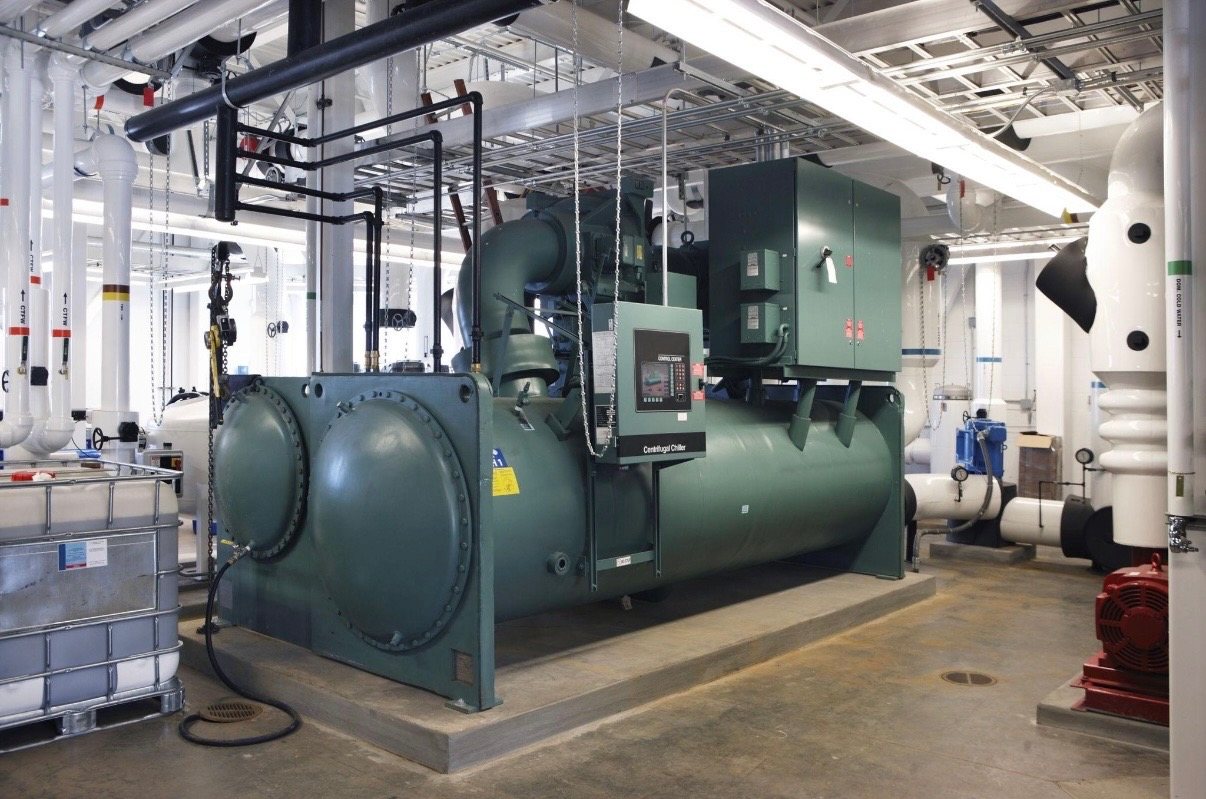
We buy water-cooled and air-cooled centrifugal, screw, and scroll chillers across all tonnages and refrigerants, including 20 to 2,000+ tons. Every inquiry is assessed individually, and not every chiller or site results in a purchase.
Build an inventory that distinguishes each machine
For each chiller, provide the manufacturer, model, serial number, nominal tonnage, refrigerant, and location if available. Photos of the nameplate, the full machine, and its surroundings can help match a proposed offer to the correct asset. Note whether components are missing or whether the unit is known to have been altered.
If several machines are involved, identify them separately even when they look alike. One may have a different capacity, condition, owner, or access route. Existing inventory sheets and maintenance records are useful, but the seller does not need to run or test any unit.
Resolve ownership and transaction authority
Shutdown projects can involve a property owner, operating company, landlord, lender, liquidator, or other parties. Establish who owns the chiller and who is authorized to agree to its sale. If the equipment is leased, subject to a claim, or included in a separate asset agreement, raise that question before treating it as available.
Also identify the contact who can answer site-access and project-coordination questions. The person handling the sale may not be the person who controls the building or the shutdown work. Connecting the relevant parties helps prevent a proposed sale from conflicting with another commitment.
Coordinate with the rest of the shutdown
A chiller can sit in the path of other work, or other work can change the route available to remove it. Tell us about demolition, equipment auctions, building turnover, or utility changes that could affect access. Do not assume a machine is ready for release just because production has stopped.
Where the chiller still serves an occupied area, stored material, or another shutdown activity, the site team should determine when it can be released. Existing project plans are helpful for identifying dependencies; the buyer can then assess the proposed scope alongside the other parties’ responsibilities.
Document the removal route and site conditions
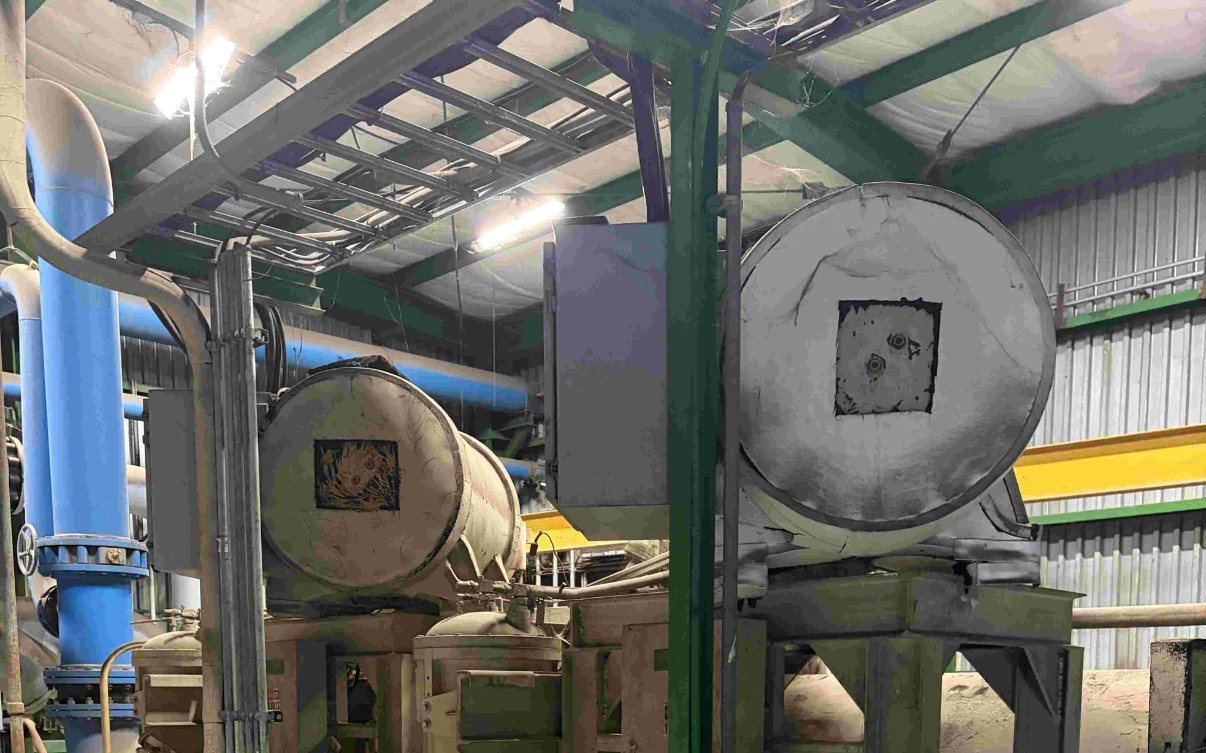
Describe where each unit sits and how it may reach a loading area. Known doorway sizes, overhead obstructions, floor limits, yard access, and nearby equipment can affect the approach. An exterior air-cooled chiller may have a different route from a machine in an interior plant room, even on the same property.
We handle and cover crane work, rigging, loading, freight, and hauling for the purchased equipment under the agreed scope. Share known restrictions or uncertainty early; the seller does not need to move or rig the chiller before requesting an offer.
Set boundaries with other contractors and retained assets
Be specific about whether the proposed sale includes only the chiller or named accessories such as a starter, controls, or pumps. Identify piping, electrical infrastructure, and nearby equipment that remain with the property or are assigned to someone else. Clear boundaries are especially useful when several buyers or contractors are working on the same shutdown.
We handle and cover the required disconnects and refrigerant recovery for the purchased equipment. The seller is not asked to disconnect the machine or handle refrigerant. Any work outside the chiller purchase should be identified separately rather than assumed to be included.
Compare offers on both payment and scope
We make cash offers and provide payment upfront under the accepted purchase terms. The equipment, its condition, and the removal requirements influence the offer. Compare proposals on a consistent basis: an amount that includes buyer-covered recovery, disconnects, crane, rigging, loading, freight, and hauling is not the same as an amount that leaves those costs to the seller.
Before accepting, confirm which assets are covered, what work is excluded, the access assumptions, and how changes in scope will be addressed. If the shutdown includes a broader site clearance, distinguish that separate project from the specific chiller transaction.
Start with what the shutdown team already knows
A first inquiry can be straightforward: send the available equipment list, current status, photographs if permitted, and a summary of the location and access. Mention any questions about ownership, overlapping contracts, or the point at which each unit may be released. Unknown details can be discussed without testing or physical preparation by the seller.
We can review the information and decide whether to make an offer for one chiller or a defined group of units. A clear asset list and removal scope help the shutdown team evaluate the purchase without confusing it with the sale or disposal of everything else on site.